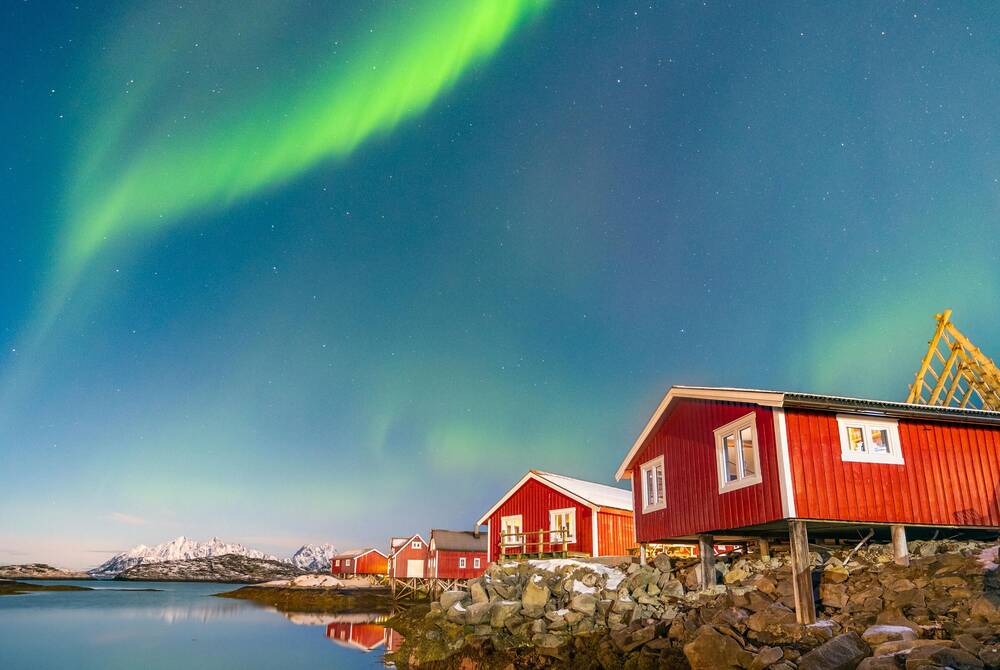
While the Northern Lights are most often associated with cold, dark nights and snow-cloaked landscapes, the prime window of opportunity for viewing this celestial phenomenon is by no means limited to the winter months. Indeed, the Northern Lights are technically ‘active’ all year round, but can only be seen when the skies are dark enough – which, throughout much of Scandinavia and the Nordics, rules out May, June and July. As summer’s endless daylight fades, the first flickers of the aurora usually make an appearance in the second half of August, and become increasingly regular as the nights draw in moving into autumn. Although often overlooked, September, October and November are all excellent months for aurora hunting, with several distinct advantages over winter. So, if you’re plotting an adventure in search of the Northern Lights, here’s why you should strongly consider going in autumn.
Milder temperatures & mirror-like reflections
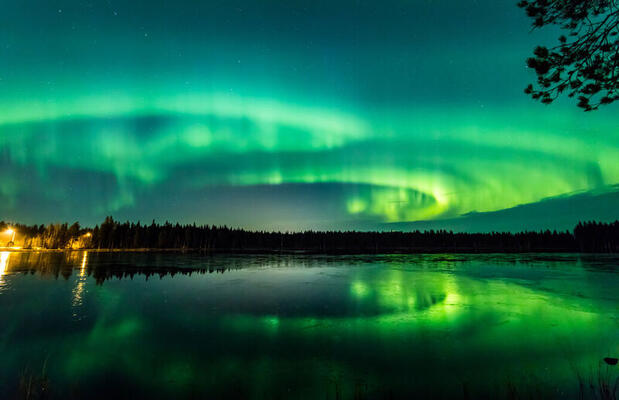
Autumn aurora reflected in a lake in Finnish Lapland
One of the main upsides of hunting the Northern Lights in autumn is that temperatures are significantly milder on average than in winter, so you can be outside at night much more easily for a longer period of time without battling extreme cold. Whereas on winter nights in the Arctic, you might encounter temperatures of -20°C or lower, in September temperatures will typically remain comfortably above zero. Throughout October and November, nighttime temperatures start to drop close to freezing or a few degrees below, but still not as harsh as you would expect in December, January or February. Also, lakes tend to remain unfrozen until late October or early November, so before this point, there’s the possibility of seeing the Northern Lights reflected in the water – an extraordinary spectacle which can only be seen during this relatively brief period of the year.
A balance between daylight & darkness
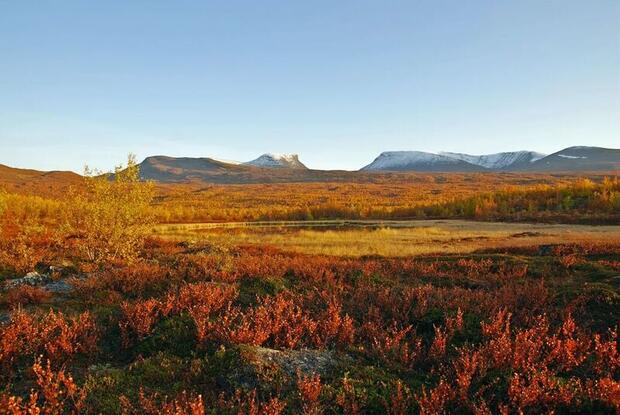
Autumn in Abisko, Swedish Lapland
Whereas darkness dominates throughout the Nordics during winter – a period that has its own unique, magical quality – autumn brings more of an even balance between daylight and darkness. As such, you can spend your evenings hunting the Northern Lights and your days sightseeing and enjoying the kinds of outdoor adventures that aren’t as accessible in winter. For instance, autumn is an ideal time to go hiking, cycling and wild swimming, when the trails aren’t yet covered in snow and ice, the lakes aren’t yet frozen, and the landscapes come ablaze in fiery shades of copper and amber. You can also see bears in Finland up until the end of September before they go into hibernation for winter. In places that lend themselves to a road trip, meanwhile, such as Iceland and the Lofoten Islands, the extra daylight and milder temperatures make driving a much more feasible option in autumn than in winter, when road conditions can be notoriously challenging.
Autumn equinox effect
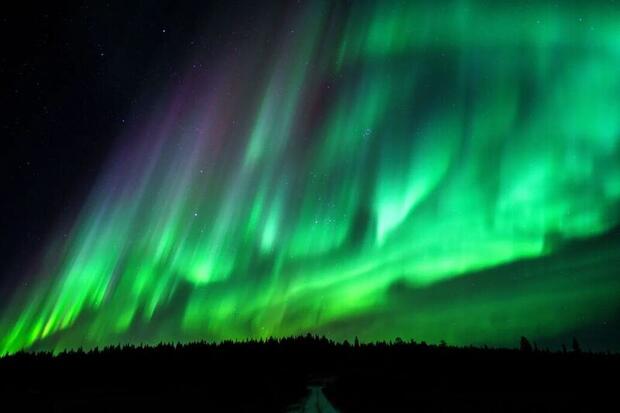
Spectacular Northern Lights in Gällivare, Swedish Lapland
The Northern Lights are caused by electrically charged particles from the sun (known as solar wind) travelling at very high speeds and colliding with gases in the Earth’s upper atmosphere. During the periods around the spring and autumn equinoxes, the Earth’s magnetic field is aligned more favourably for the solar wind to penetrate the upper atmosphere, therefore triggering more frequent and intense geomagnetic storms. In turn, this results in a higher likelihood of enhanced auroral activity. The autumn equinox in 2026 falls on 23 September, so the weeks either side of this are a strong bet for spectacular Northern Lights displays.
Fewer crowds
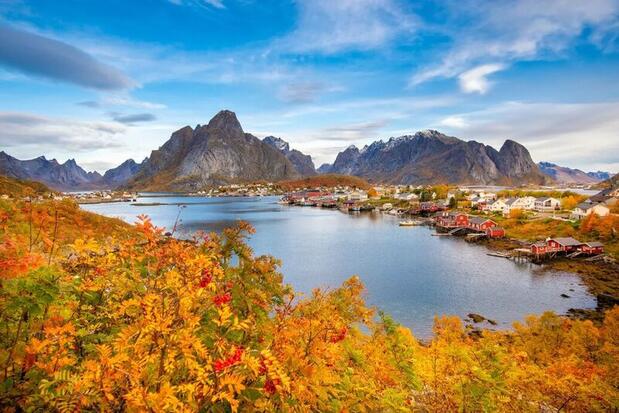
Autumn in the Lofoten Islands
Popular Northern Lights destinations throughout the northern reaches of Norway, Sweden and Finland tend to be at their busiest during the winter months, when it’s possible to combine aurora hunting with the likes of snowmobiling, husky sledding and reindeer safaris. While winter brings its own set of thrills, there’s much to be said for going outside of peak season when overall visitor numbers are considerably lower. Autumn is a much quieter time to experience places such as Tromsø, Kiruna and Rovaniemi, for example, and there tends to be significantly more availability at highly-coveted hotels and lodges that become heavily booked up in winter.
Favourable pricing
With lower demand generally comes lower prices, both in terms of flights and accommodation. It varies between destinations, of course, but some flights and hotels are as much as 50 percent lower-priced in autumn compared to peak dates in winter. Certain properties also run special offers in autumn, too. Therefore, if you’re planning a Northern Lights trip on a limited budget, autumn is a perfect time to do so.